
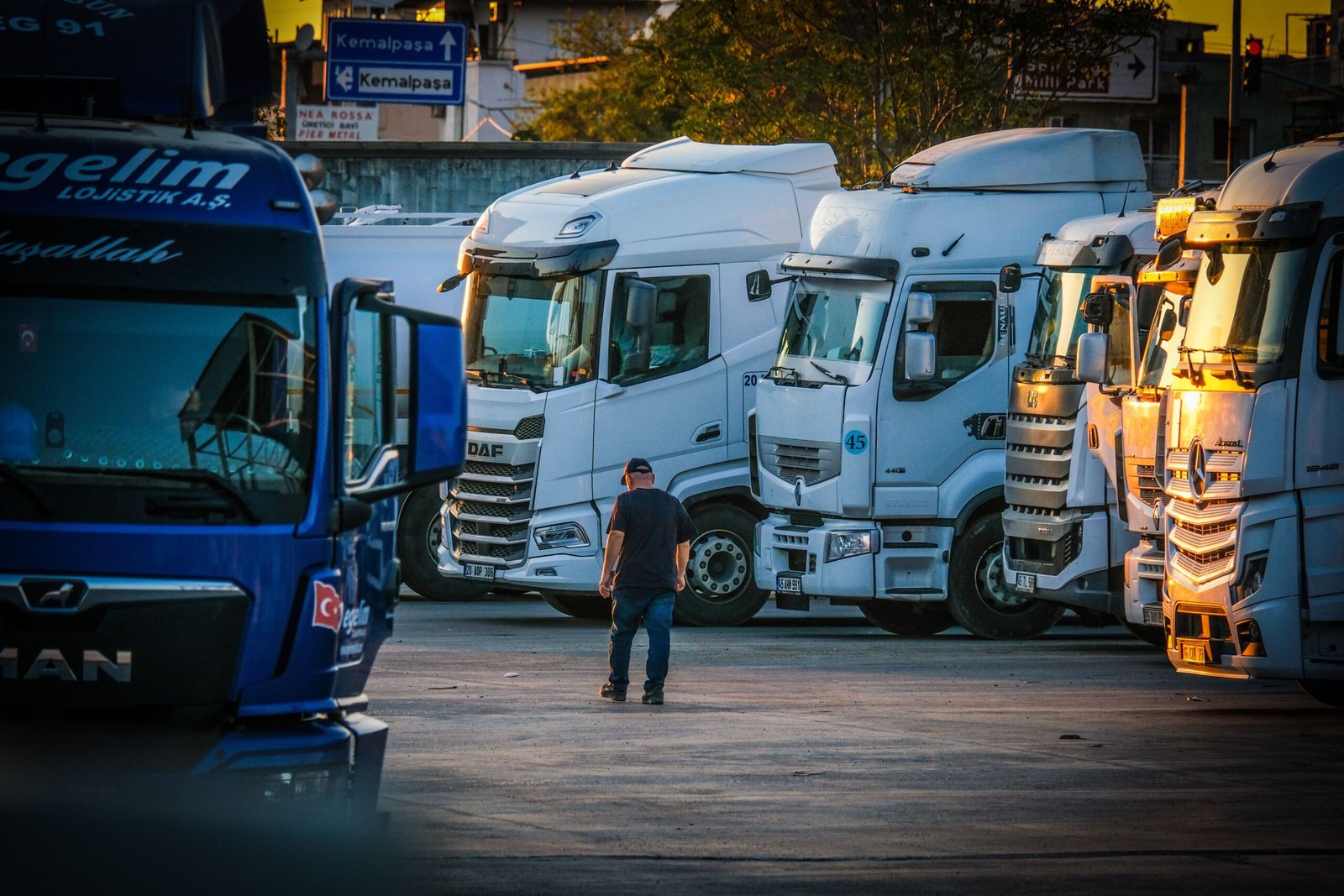
Drayage refers to the short-distance transportation of containers between important points within the supply chain. This can include moving containers between ports, container terminals, rail facilities, warehouses, distribution centers, and other nearby locations.
Although drayage usually involves relatively short distances, it is an important part of the overall freight movement. A delay at this stage can affect warehousing, rail connections, distribution schedules, and final delivery.
Hartesh Digital Services can help coordinate drayage movements by connecting the shipment requirements with transportation resources and maintaining communication between the relevant parties. Our goal is to help make the movement of containerized freight more organized and efficient.
Key advantages of Drayage
- Efficient short-distance movement: Designed specifically for moving containers between connected logistics facilities.
- Port connectivity: Helps connect port and terminal operations with warehouses and distribution locations.
- Reduced operational gaps: Proper coordination can help prevent unnecessary waiting and communication delays.
- Supports intermodal transportation: Drayage is often an essential link between road, rail, and ocean transportation.
- Improved shipment flow: Coordinated container movements help maintain continuity throughout the supply chain.
- Flexible scheduling: Movements can be planned around terminal, warehouse, and delivery requirements.
Why work with Hartesh Digital Services?
Better coordination between stakeholders
Drayage can involve terminals, drivers, warehouses, customers, and other logistics partners. We help keep communication organized between the parties involved.
Reduced communication gaps
A missed update or unclear instruction can create delays. Our coordination approach focuses on keeping relevant shipment information moving between stakeholders.
Organized container movement
We help structure the transportation process around pickup, movement, and delivery requirements.
Responsive support
When schedules change or operational issues arise, timely communication becomes critical. Our team focuses on responsive coordination to help address changes efficiently.
Supply-chain connectivity
Because drayage frequently connects different transportation modes, effective coordination can help create a smoother transition between port, road, rail, warehouse, and distribution operations.